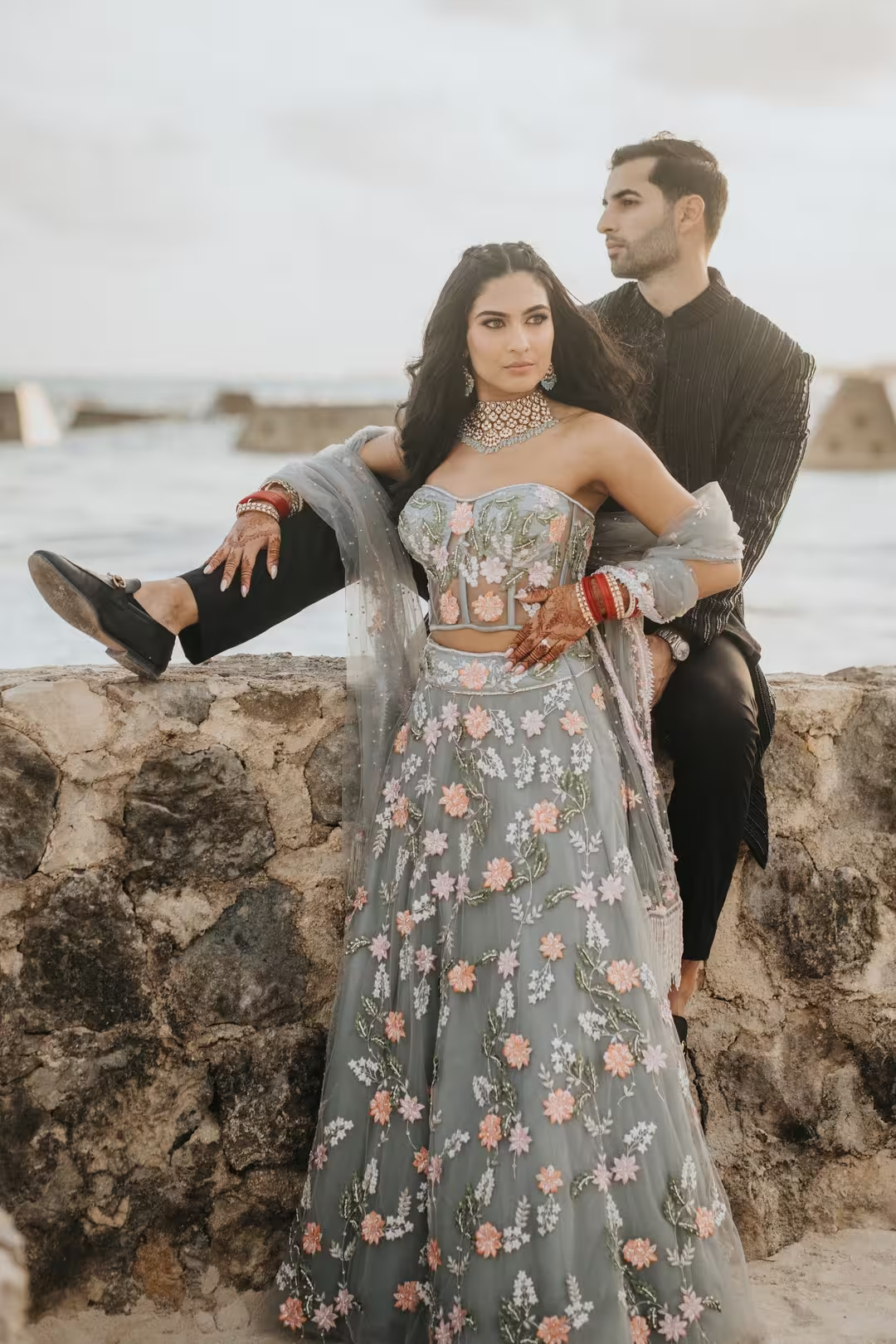
Use this destination wedding planning checklist to make sure the most important details are organized before you travel.
Planning a destination wedding is one of the most exciting ways to celebrate your love. It combines the beauty of travel with the emotion of a wedding day, creating an experience that feels intimate, meaningful, and unforgettable.
But while the idea of getting married somewhere beautiful sounds effortless, the planning process can come with a few extra details that couples do not always expect. When your wedding is happening away from home, you are not only planning the ceremony and celebration — you are also thinking about travel, accommodation, legal documents, weather, guests, vendors, and logistics from a distance.
The good news is that with the right preparation, a destination wedding can be incredibly smooth and enjoyable. Whether you are dreaming of a romantic beach ceremony, a countryside villa, a city elopement, or a full wedding weekend abroad, here are 10 things you cannot forget when planning your destination wedding.
One of the first things you should check when planning a destination wedding is whether your marriage will be legally recognized in the country where you are getting married.
1. The Legal Requirements
Every destination has its own rules. Some countries require specific documents, translated paperwork, apostilles, blood tests, witnesses, or a minimum number of days in the country before the ceremony. These details can take time to organize, so it is important not to leave them until the last minute.
In some cases, couples choose to have a simple legal ceremony at home before or after the destination wedding. This allows them to enjoy the celebration abroad without worrying about complex legal paperwork. The destination ceremony can then be symbolic, emotional, and completely personal.
Before you book anything, research the marriage requirements for your chosen location or speak with a local wedding planner who understands the process. This small step can save you a lot of stress later.
2. The Best Season for Your Destination
The season you choose can completely change the experience of your wedding. A destination may look perfect in photos, but weather, tourism, and local events can all affect your wedding day.
For beach weddings, it is important to check rainy seasons, hurricane seasons, wind, humidity, and extreme heat. For mountain or countryside weddings, you may need to consider road access, temperature changes, or seasonal closures. For city weddings, high tourist periods can affect hotel prices, availability, and transportation.
Getting married during peak season often means beautiful weather, but it can also mean higher prices and busier locations. Low season may be more affordable and private, but it can come with weather risks.
The best choice depends on your priorities. If you want sunshine and perfect outdoor conditions, peak season may be worth it. If you prefer a quieter, more intimate atmosphere, shoulder season can be a beautiful option.
3. Guest Travel and Accommodation
When you invite guests to a destination wedding, you are asking them to plan a trip as well as attend your celebration. Clear communication makes a huge difference.
Give your guests as much information as possible early on. This can include recommended airports, hotel options, transport from the airport, suggested arrival and departure dates, dress code, itinerary, and any group activities you are planning.
A wedding website can be very helpful for this. It gives guests one place to find all the details and reduces the number of repeated questions you receive.
If possible, consider reserving a hotel block or recommending a few accommodation options at different price points. Not every guest will have the same budget, so giving choices makes the trip easier for everyone.
It is also important to be understanding. Some guests may not be able to attend because of cost, travel time, work, children, or health reasons. Destination weddings are beautiful, but they do require more commitment from guests, so kindness and flexibility go a long way.
4. A Realistic Budget
Destination weddings can be more affordable than traditional weddings in some cases, but they can also include hidden costs that are easy to forget.
Beyond the venue, dress, flowers, and food, you may need to budget for flights, accommodation, airport transfers, vendor travel fees, extra luggage, welcome bags, group dinners, legal paperwork, currency exchange, insurance, and shipping or transporting decor.
It is also important to think about how many days your wedding experience will include. Many destination weddings are not just one day. You may have a welcome dinner, a beach day, a rehearsal, the wedding day, and a farewell brunch. These extra events can make the experience unforgettable, but they should be included in your planning from the beginning.
A realistic budget does not mean removing everything beautiful. It means choosing what matters most to you. Maybe photography is a priority because you want to remember the whole experience. Maybe food and wine are central to the celebration. Maybe you want a smaller guest list so you can create a more intimate and high-quality experience.
Knowing your priorities will help you make decisions with confidence.
5. Choosing the Right Vendors
The vendors you choose can have a huge impact on your destination wedding experience. When you are planning from far away, you need people you can trust.
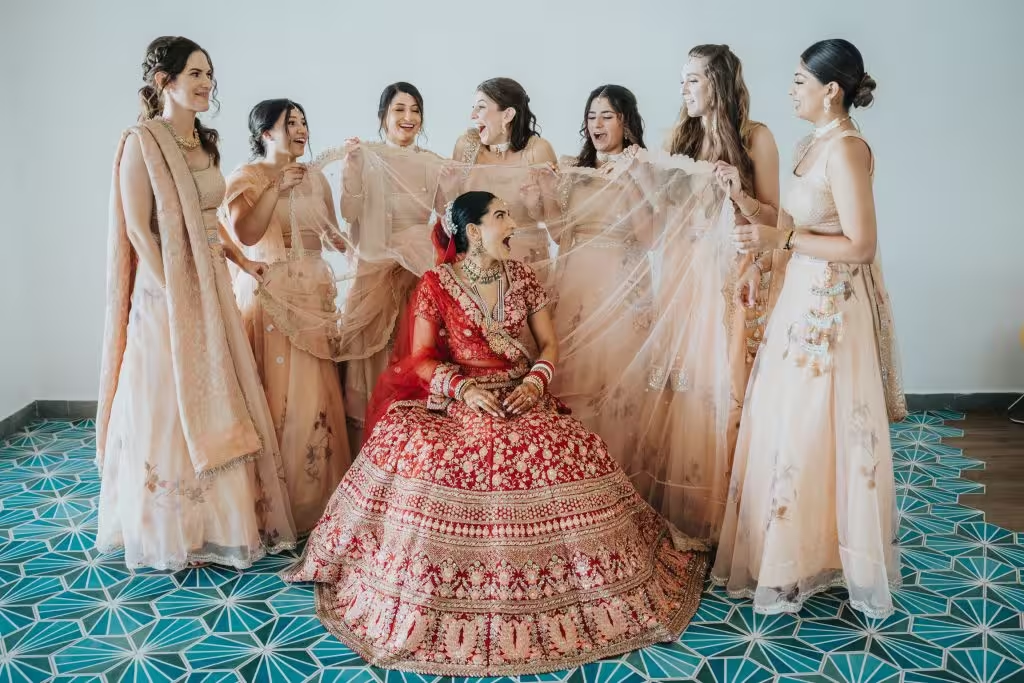
Some couples choose local vendors because they know the area, speak the language, and understand how weddings work in that destination. Others prefer to bring certain vendors from home, especially when it comes to photography, videography, planning, hair and makeup, or styling.
There is no right or wrong choice. What matters is experience, communication, and trust.
For photography, it is especially important to work with someone who understands destination weddings. A destination wedding is not only about capturing the ceremony. It is about telling the full story: the travel, the location, the atmosphere, the people, the quiet moments, the celebration, and the emotion of everyone being together in a special place.
The destination itself becomes part of your wedding story. The light, architecture, landscape, culture, and energy of the place all matter. Choosing a photographer who can capture that feeling will help you remember not only how your wedding looked, but how it felt.
6. A Clear Planning Timeline
Planning a wedding from a distance requires organization. You may not be able to visit the venue often, meet every vendor in person, or check every detail yourself, so having a clear timeline is essential.
Start by listing the major decisions: destination, venue, planner, guest list, photographer, hair and makeup artist, accommodation, travel, legal requirements, dress, and timeline for the wedding day. Then break those decisions into smaller steps with deadlines.
Virtual meetings are your best friend. Schedule calls with your planner, venue, and key vendors so everyone understands your vision and expectations. If there is a time zone difference, keep that in mind when setting deadlines and communication times.
It is also helpful to keep everything in one shared folder or document. Contracts, invoices, inspiration images, guest information, travel details, and schedules should be easy to find.
The more organized you are before arriving at the destination, the more relaxed you will feel once you are there.
7. What You Need to Pack
Packing for a destination wedding is not like packing for a normal holiday. Some things can be replaced easily if forgotten. Others cannot.
Your wedding outfit, rings, vows, important documents, accessories, shoes, beauty products, and sentimental items should be packed carefully. If you are flying, keep the most important wedding items in your hand luggage whenever possible. Checked luggage can be delayed or lost, and you do not want your dress, suit, rings, or documents arriving after you do.
It is also useful to prepare a small wedding emergency kit. This might include safety pins, fashion tape, pain relief, blister plasters, tissues, stain remover, a mini sewing kit, sunscreen, lip balm, and anything else you might need on the day.
If you are getting married somewhere hot, think about breathable fabrics, touch-up makeup, comfortable shoes, and water for guests. If your wedding is on a beach, remember that wind, sand, and humidity can affect hair, makeup, decor, and clothing.
A little practical preparation helps everything feel easier on the day.
Once the main logistics are handled, you can start focusing on the experience itself. A destination wedding is not only about getting married in a beautiful place. It is about creating memories with the people you love, enjoying the location, and allowing the whole celebration to feel personal and relaxed.
That is why the final details — guest experience, backup plans, and photography — are just as important as the practical planning.
8. Creating a Great Guest Experience
A destination wedding is often more than a ceremony. For many guests, it becomes a mini vacation and an opportunity to spend quality time with family and friends in a beautiful setting.
Think about the guest experience from the moment they arrive. Welcome bags, local recommendations, transportation details, and a clear itinerary can help everyone feel comfortable and informed.
You do not need to plan every minute of their trip, but providing useful information allows guests to make the most of their time in the destination. Many couples also choose to host a welcome dinner, group excursion, beach gathering, or farewell brunch to create additional opportunities for connection.
Most importantly, make your guests feel appreciated. They are investing time, money, and effort to celebrate with you, and even small gestures can make their experience feel special.
9. Having a Backup Plan
Even the most carefully planned destination wedding can encounter unexpected challenges. Weather changes, travel delays, transportation issues, and last-minute vendor complications are all possibilities when hosting an event away from home.
That is why every destination wedding should have a contingency plan.
If your ceremony is outdoors, confirm an indoor or covered alternative. If you are traveling internationally, arrive a few days early whenever possible to account for flight disruptions. Keep important documents and wedding essentials in your carry-on luggage rather than checking them.
Having backup plans does not mean expecting something to go wrong. It simply gives you peace of mind and allows you to enjoy the experience knowing you are prepared for different scenarios.
The more flexible you are, the easier it becomes to focus on what truly matters: celebrating your marriage.
Your destination wedding will likely pass faster than you expect, which is why preserving the memories is so important.
Unlike a traditional local wedding, a destination celebration includes an entire experience. The journey, the location, the culture, the people, and the moments shared throughout the trip all become part of your story.
Investing in professional photography and videography can be one of the most valuable decisions you make. A talented destination wedding photographer does more than document the ceremony. They capture the atmosphere of the destination, the emotions between family and friends, and the details that make the experience unique.
10. Preserving the Memories
Years from now, those images will help you remember not only how your wedding looked, but how it felt to be surrounded by the people you love in a place that meant something special to you.
Final Thoughts
Planning a destination wedding involves more than selecting a beautiful location. It requires thoughtful preparation, clear communication, and attention to details that may not arise during a traditional wedding at home.
By focusing on legal requirements, seasonality, guest travel, budgeting, vendors, organization, packing, guest experience, contingency planning, and preserving memories, you can create a celebration that feels seamless, meaningful, and unforgettable.
At the end of the day, the most memorable destination weddings are not defined by perfection. They are defined by the experiences shared, the connections strengthened, and the memories created in a place that reflects your story as a couple.
Blog
This section provides an overview of the blog, showcasing a variety of articles, insights, and resources to inform and inspire readers.

Modern Editorial Glamour: What Every Western Bride Needs to Know About Destination Beauty in Cancun and Tulum
Your Modern Editorial Glamour: What Every Western Bride Needs to Know About Destination Beauty in…


5 Topnotch Hairstyles and Makeup to survive Riviera Maya Wedding.
This year we have lot’s of beautiful weddings in Mexico and Riviera Maya doing the…
Erika and Sami: A Wedding in the Riviera Maya Light
Erika and Sami: A Wedding in the Riviera Maya Light Last May, Erika and Sami…